Zero-Eq Fitness for Busy Pros
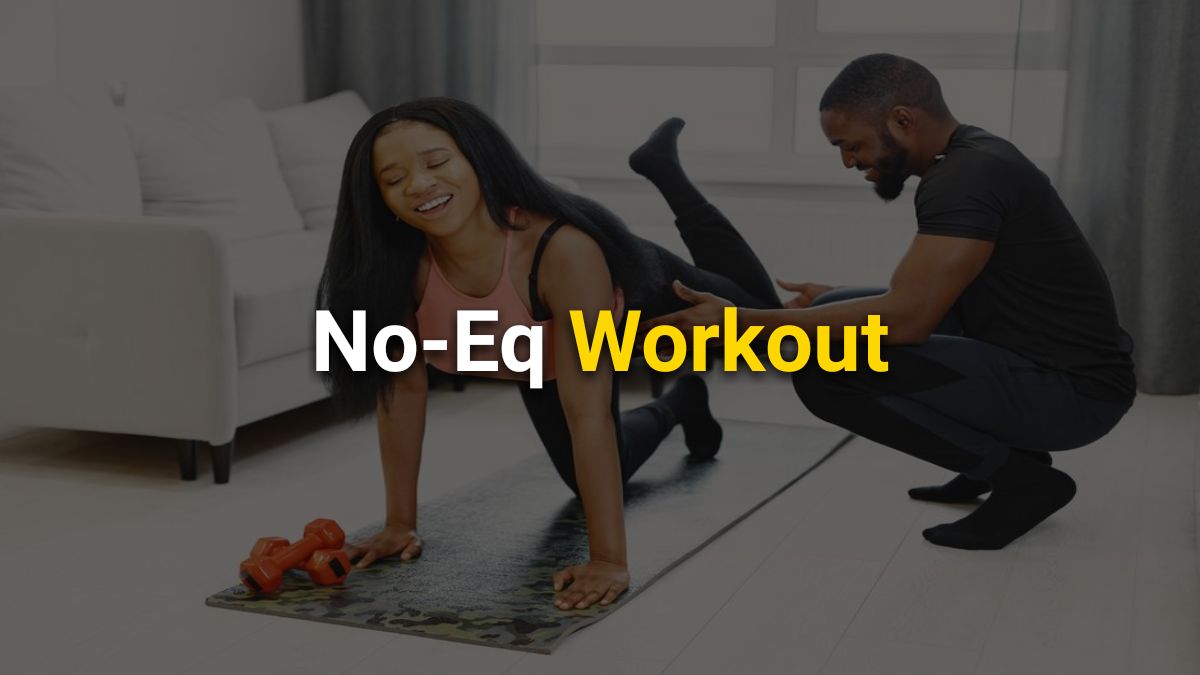
Mastering Bodyweight: The Foundation of Zero-Eq Fitness
Bodyweight exercises form the cornerstone of equipment-free fitness. They are functional, accessible, and highly effective for building foundational strength and endurance. Understanding the core movements is crucial for any busy professional. * Push Movements: Focus on exercises like push-ups (variations from wall pushes to decline push-ups) to target chest, shoulders, and triceps. Proper form is paramount to prevent injury and maximize muscle engagement. * Pull Movements: While true pull-ups require a bar, inverse rows (using a sturdy table or resistance band if available) and various back extensions are excellent alternatives. These engage the back muscles, often neglected in home workouts. * Leg & Glute Movements: Squats, lunges, and glute bridges are incredibly versatile and target major lower body muscles. Single-leg variations further challenge balance and stability. * Core Engagement: Planks, bird-dog, and hollow body holds strengthen the entire core musculature. A strong core supports all other movements and helps prevent back pain. Progression and regression are key to making bodyweight workouts suitable for all levels. If a standard push-up is too difficult, start with knee push-ups or wall push-ups. If it's too easy, elevate your feet or try one-arm variations.Crafting Your Time-Efficient Routine
Busy professionals need strategies that fit into their fragmented schedules. Efficiency is not just about short workouts, but about maximizing every minute. * Micro-Workouts: Break down your fitness into 5-10 minute segments throughout the day. A quick set of squats and push-ups between meetings can be surprisingly effective. This approach makes consistency more achievable. * HIIT Principles: High-Intensity Interval Training can be adapted for bodyweight. Perform an exercise vigorously for 30-45 seconds, rest for 15-20 seconds, then move to the next. Repeat cycles for 15-20 minutes. * Compound Movements: Prioritize exercises that work multiple muscle groups simultaneously. Burpees, squat thrusts, and mountain climbers deliver a full-body workout in less time. This maximizes caloric expenditure and muscle activation. * Active Recovery Days: Don't underestimate the power of walking, gentle stretching, or light mobility work on non-intense days. These aid recovery and keep you moving without burnout.💡 Tip: Schedule your micro-workouts like important appointments. Even 7 minutes twice a day is more impactful than one missed 30-minute session. Consistency is the ultimate game-changer for long-term results.
Beyond Strength: Mobility and Cardiovascular Health
Fitness is not solely about muscle mass; flexibility, mobility, and cardiovascular endurance are equally vital. These elements improve overall physical function and reduce injury risk. * Dynamic Stretching: Incorporate movements like arm circles, leg swings, and torso twists before your workout. This prepares your muscles and joints for activity. * Yoga Flows: Many beginner-friendly yoga sequences require no equipment and drastically improve flexibility, balance, and core strength. Online resources offer countless options for all levels. * Cardio Alternatives: Elevate your heart rate with vigorous bodyweight exercises. Jumping jacks, high knees, butt kicks, and shadow boxing are excellent cardio boosters. Incorporate these into your HIIT circuits. * Active Mobility Drills: Include movements like cat-cow stretches, thread the needle, and wrist rotations. These maintain joint health and improve range of motion.Elevating Your Routine: Advanced Bodyweight Strategies
Once you've mastered the basics, several techniques can intensify your zero-equipment workouts. These methods provide progressive overload without needing external weights. * Isometric Holds: Holding a position for an extended period, like a wall sit or a plank, challenges muscle endurance. This builds static strength and stability. * Plyometrics: Explosive movements such as jump squats, box jumps (using a sturdy low step), and clapping push-ups build power and speed. They significantly increase calorie burn and athletic performance. * Unilateral Exercises: Focus on one limb at a time to correct imbalances and increase challenge. Pistol squats, single-leg deadlifts (Romanian deadlifts), and one-arm push-ups are prime examples. * Tempo Training: Control the speed of your repetitions. Slowly lowering into a squat (eccentric phase) for 3-5 seconds before exploding up increases time under tension, stimulating muscle growth. * Repetition Ladders: Start with one rep, then two, then three, going up to a target number (e.g., 10), and then back down. This is a challenging way to accumulate volume.💡 Tip: Get creative with your environment. A sturdy chair can be used for dips, a kitchen counter for incline push-ups, and a staircase for step-ups or calf raises. Look for opportunities to add resistance or elevation using everyday items.